Traditional fire suppression systems necessitate costly installation, frequent maintenance, piping space, and numerous other modifications throughout their shelf life. Another significant limitation was that they required handling by trained professionals. As technology progressed, more sophisticated systems were engineered to address these shortcomings. Additionally, remote working was introduced due to the COVID-19 pandemic, and a need for automated fire detection and suppression systems was created.

Catering to all these needs, the Stat-X aerosol fire suppression system emerged as the most reliable technology as it is automated, practical, adaptable, and cost-effective. Since its inception in 2005, over 500,00 units of Stat-X condensed aerosol fire suppression systems have been sold. But what makes this system more competent than the others? This blog will discuss what Stat-X is, its mechanism, its applications, and why it is prominent in the industry.

What is Stat-X Exactly?

Stat-X is a condensed aerosol-based fire suppression technology that protects against fire hazards in enclosed facilities and local spaces. It is an authorized eco-friendly halon substitute and an alternative to hydrofluorocarbon.

Stat-X is a robust and automated fire suppression product available in various industrial applications for usage in critical sectors worldwide. 

  • The non-toxic and non-corrosive nature of the Stat-X fire suppression system is due to its patented design, aerosol composition, and ultra-fine aerosol particles produced. 
  • It is entirely environmentally-friendly pre and post usage; it does not deplete the ozone layer. 
  • It also has a lower climate impact and a shorter atmospheric lifetime. 

For these reasons, Stat-X has received its due recognition in suppressing fires throughout the world.

How Does Stat-X Aerosol-Based Fire Suppression System Work?

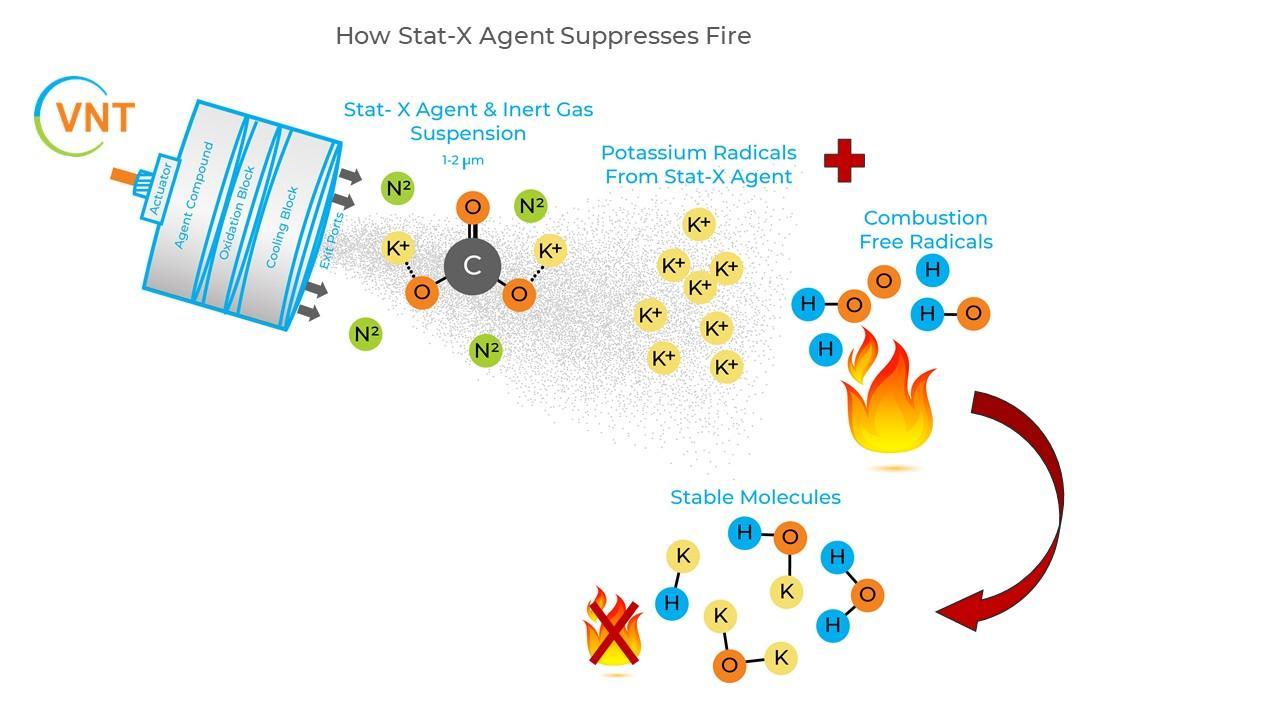
Stat-X is a thermally activated fire suppression system. Upon detecting a fire, it can be activated automatically (or manually) via a releasing device. Upon activation, the unit produces an exceptionally effective, ultra-fine, potassium-based aerosol. Potassium, one of the most effective fire suppression agents available, suppresses fire through a combination of chemical and physical mechanisms, like Halon but without adverse environmental effects. The Stat-X fire suppression system is based on the principle of total flooding of the area- wherein the aerosol agent is uniformly distributed throughout the enclosure to suppress the fire. 

The rate at which aerosols are released has a powerful effect. Micron-sized aerosol particles have gas-like three-dimensional properties, allowing them to quickly disperse the agent to the enclosure’s most buried and protected areas. The interaction between the ultra-fine aerosol particulate and the flame’s free radicals quickly inhibits the fire, restricting it from expanding. Because of the ultrafine particle size of the aerosol (1-2 micron), the surface area interaction between the agent and the fire dramatically increases. The Stat-X particles remain suspended in the enclosure until vented, effectively terminating the spreading of the fire and minimizing the damage. 

Unlike some gaseous agents, aerosol does not decompose in heat or extinguish due to a lack of oxygen. Because the aerosol is suspended in the air of an enclosure for extended periods, it has long post-fire security.
A picture containing scatter chart

Description automatically generated

Why Should You Choose Stat-X Fire Suppression System Over Others?

Stat-X fire systems are protecting company assets all over the country due to their quick response time, compact size, low fire extinguishing concentration, and environmental safety. They provide enhanced fire safety in more challenging applications such as telecommunication centres, data processing facilities, flammable liquid storage compounds, and so on.

  1. Stat-X aerosol generators, unlike gaseous systems, provide ease of installation since they do not require pressure vessels, piping, or any other expensive installation costs associated with other extinguishing systems.
  1. There are no space or weight constraints. As a result, infrastructures with limited space can efficiently adopt this system.
  1. Substantially more effective and completely environmentally friendly compared to other gaseous extinguishing agents.
  1. Stat-X requires very little maintenance and has a service life of more than ten years. This, combined with their extremely low installation cost, makes them a very cost-effective fire protection solution.
  1. Its non-corrosive nature ensures the safety of the facility’s valuable equipment. It does not affect the premises’ electronic equipment or magnetic media.
  1. Aerosol particles are suspended in the air after discharge and can be easily and quickly vented out, resulting in minimal post-fire clean-up.
  1. Non-toxic in nature- thus, it does not harm the person in close contact and poses no risk due to expellant gas.
  1. It does not reduce oxygen levels in the premises. Thus, post-discharge downtown is minimal, and production or industrial activities can be resumed shortly after.

There are numerous fire suppression systems on the market, but the Stat-X condensed aerosol-based fire suppression system outperforms them all. A comparison of some types of fire suppression systems and aerosol fire suppression systems is shown below.

FM200HALONCO2NITROGEN-BASED SYSTEMSCONDENSED AEROSOL FIRE SUPPRESSION SYSTEM
Fire prevention device that is waterless. It is unloaded into the risk in 10 seconds and quickly stops the fire.Liquefied gas is used to extinguish a fire by chemical stopping the combustion chain reaction.A clean abundantly supplied gaseous agent. It is kept in high-pressure or low-pressure cylinders.Nitrogen fire control systems use pure nitrogen, an inert natural gas in the environment.Saturates the protected region by combining microparticles with gases.
Extremely costly than other fire suppression systems, especially Halon.Costly when compared to Aerosol Suppression System.It is less costly than HalonIt is more costly as compared to Co2.It is highly cost-effective.
It is not eco-friendly.It is not eco-friendly. It is not eco-friendly.It is partially eco-friendly. Excess presence of nitrogen compounds like NO2 in the atmosphere causes acid rains.It is completely eco-friendly.
It does not have a completely ‘green’ profile.It doesn’t have a completely green profile. It is the main greenhouse gas that doesn’t have a green profileIt doesn’t have a complete green profile.It has a complete green profile.
The FM-200 does deplete ozone. It adds to global warming from a greenhouse gas producer.It causes huge depletion in the ozone layer causing global warmingIt causes ozone depletion, which then leads to global warming.It causes global warming.It has 0% ozone-depleting potential and doesn’t cause global warming
High toxicityVery high toxicityHigh toxicityHigh ToxicityNon-toxic.
Low performanceLow performance as compared to all the other fire suppressorsLow performanceComparatively good than HalonHighest performance as compared to all the other fire suppression systems. It is three times more effective than Halon.

Stat-X: Highly Customizable Solutions for Various Usages in An Industry 

The variety of Stat-X fire suppression solutions available for various use capacities in an industry and their broad field of application are the most valuable aspects. Stat-X technology can be used as a fixed fire suppression system in primary and local applications to combat fires of Categories A, B, C, E, and F. Some class C fires must be treated with caution if there is a risk of explosion due to the presence of gaseous, volatile, or atomized combustible fuels, either before or after flames.

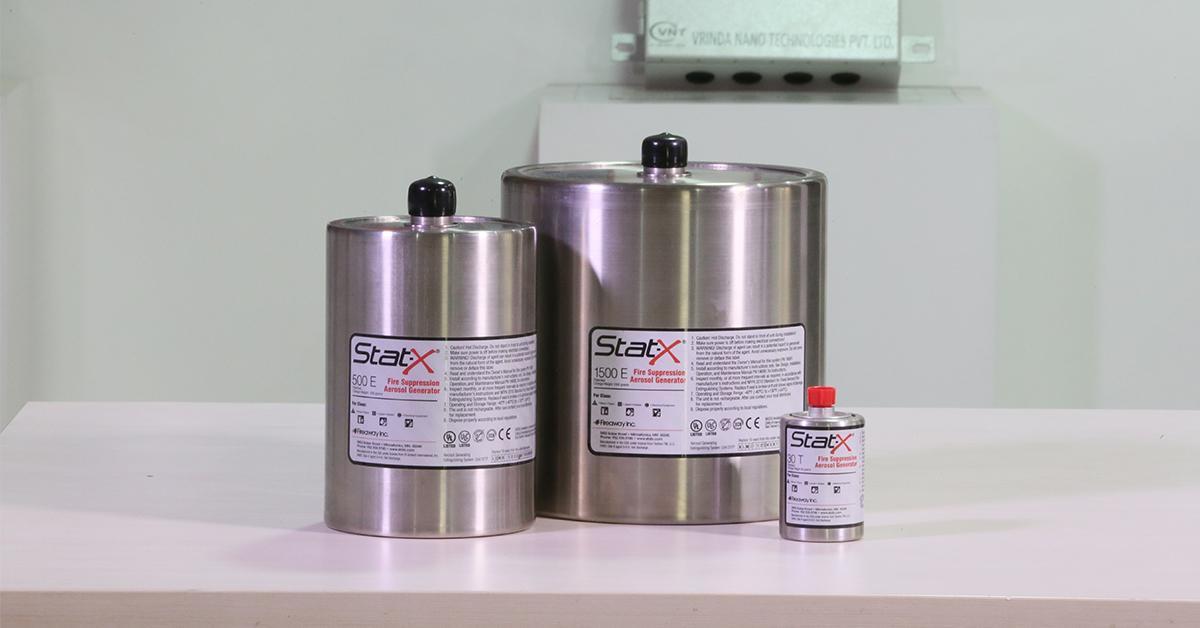
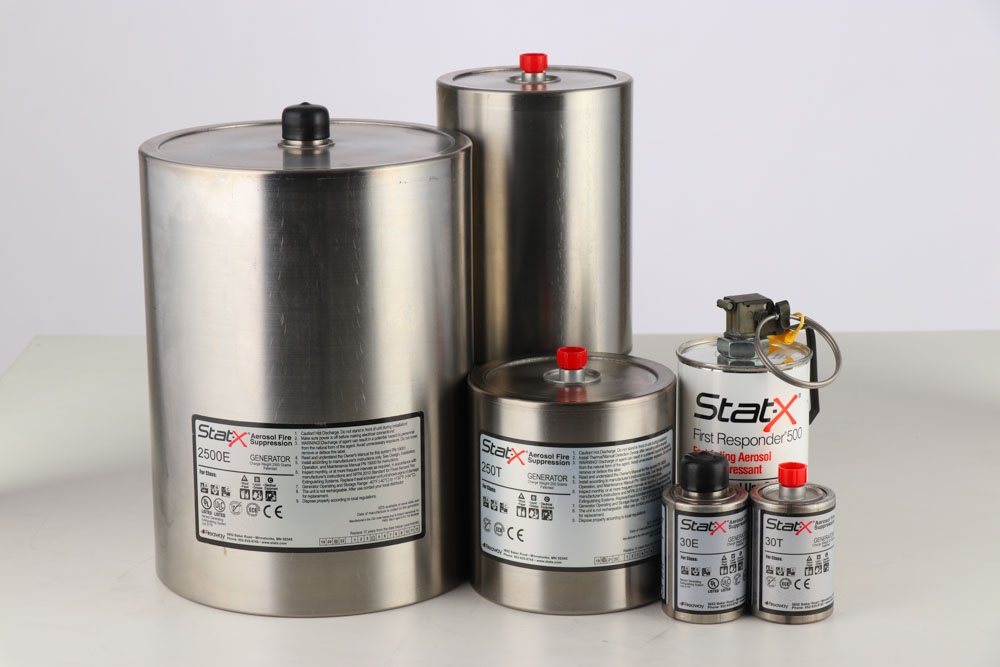
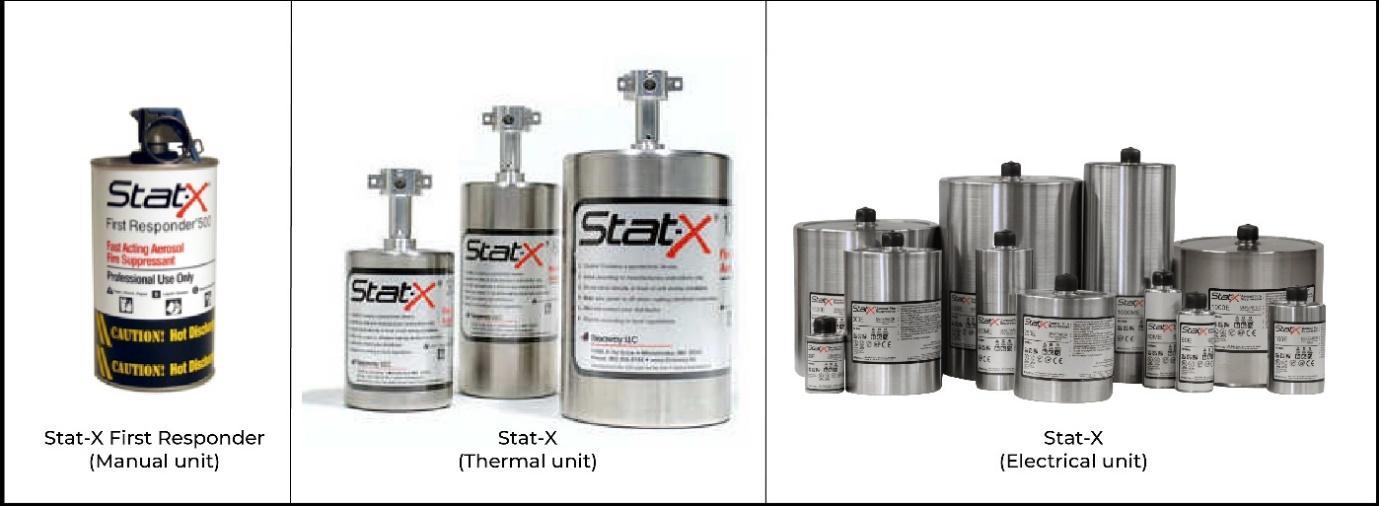
Stat-X is offered in various electrical, thermal and manual units to protect residential and commercial assets.  Due to such flexibility in its range, it is widely sought-after for fire suppression in remote telecom sites, electrical cabinets, machinery spaces, etc.
A picture containing text, indoor, counter, food processor

Description automatically generated

Safety against Fire is in Your Hands – Literally!

Only a 360° approach to security can mitigate preventable losses when it comes to fire safety. VNT has collaborated as a technical and business partner with Fireaway Inc., which is leading the international market with the development of the Stat-X Condensed Aerosol Fire Suppression System. Our fire safety systems operate in accordance with international standards such as NFPA 2010 and UL 2775, providing 24/7 protection to you and our valuable assets. Our advanced fire safety solutions are meticulously designed to meet all of your expanding safety requirements.
Contact VNT to enquire about how our solutions can better assist you in safeguarding your residential and industrial complex against fire hazards.


India is one of the fastest-growing economies globally, and it has made remarkable strides in furthering its energy sector and economic efficiency. However, its energy demand is projected to increase with time. Therefore, the extent to which India’s energy sector has suffered in recent years with continuous power outages is plainly apparent. As a result, the need for energy conservation gains prime importance. While a fair amount of energy is generated, the domestic power shortage is still a problem due to inefficient equipment, poor design of buildings, and lack of usage consciousness among the people. 

The need for greater energy efficiency leads to more and more companies looking at ways to assess energy efficiency. Thus, auditing your business’s energy efficiency is an essential step in identifying energy conservation and cost reduction opportunities. In this article, you will understand the concept of energy audit and how it can lead to substantial savings on utility bills.

Roadmap to Energy Conservation and Economic Efficiency

When a producer has a high output of energy consumption, it can often be challenging to determine the uses of energy that are the most effective. An energy audit involves the detailed analysis of energy usage and the identification of opportunities for energy conservation. It is essentially inspecting the energy within a building or equipment, calculating the cost of its energy usage, reducing carbon emissions, and promoting ways to safety. 

Given the financial and environmental benefits, energy audits can help businesses identify ways to save money and lead to economic goals. It provides a detailed report of the energy consumption of systems and equipment, including lighting, mechanical devices such as boilers, thermal heaters, energy conversion, equipment, building, etc. Thereby, it offers a number of comprehensive energy solutions that help maximize the business’s energy efficiency. 

Industrial production in India is driven by energy consumption. Studies seem to suggest that the industrial sector consumes 40% of the total energy consumed in India. Subsequently, the energy audit is a key to energy conservation. The primary purpose of an energy audit is to identify existing problems and decide on measures that can be implemented to improve performance. But the foremost step is to determine the type of energy audit that is required for your building or energy-using equipment. The two levels of an energy audit include: 

  • Preliminary Audit: Preliminary Audit is the first step to evaluate the company’s business processes, identify the areas needing improvement, and provide Energy Conservation Measures (ECMs). The main objective of this audit is to identify the energy cost and wastages occurring in the major equipment and processes, their operating characteristics, and the energy consumption pattern of a given company. This, in turn, helps the auditor to act upon the areas where improvement is required.
  • All-inclusive Detailed Audit: Detailed Audit provides a comprehensive analysis of mechanical and electrical systems, generally through a survey or on-site assessment. The audit results in an energy assessment report that details the efficiency status of building components and quantitative evaluation of ECMs i.e., opportunities for improvement. It is vital since it comes with an in-depth computer-based evaluation and action plan aligned with an organization’s short-term and long-term goals.

As simple as it may sound, it takes high precision technology and advanced tools & software platforms to conduct an energy audit. Furthermore, an inefficient audit may lead to several risks and wastage of energy. Therefore, it is advised to seek professionals delivering services in compliance with the government standards. 

As a leading provider of building and major equipment energy audits, VNT aims at providing a framework for your auditing process. By establishing an appropriate analysis, collecting and compiling preliminary data, and objectively prioritizing and implementing recommended energy solutions, we lay the foundation for your successful audit without compromising efficiency!

Need for Promoting Energy Audit: Leap Forward

Energy consumption is a significant factor in an organization’s sustainability and competitiveness. Energy resources are depleting, and it is essential for organizations to use their energy efficiently. Regardless of the energy inefficiency a business might be facing, energy audit facilities ensure a fully accredited energy performance of your building, plant, or equipment; and providing organizations with an audit report that gives out a comprehensive plan to improve its energy efficiency to reduce cost in the long term. 

Some of the critical factors that call for conservation include:

  1. Limited Energy Resources: India accounts for around 16% of world’s population but only 1% of its energy resources. The need to cater to long-term energy requirements makes it essential to utilize the resources efficiently. 
  1. Cost Benefits: An efficient use of energy-using equipment through processes such as an energy audit provides utility for a more extended period with low maintenance, which leads to energy saving. Decreasing demands for energy resources impact the overall price to drop and promote economic efficiency.
  1. Conducive Environmental Impact: Industrial buildings are likely to emit operational carbon through heating, cooling, and lighting, adding to an organization’s carbon footprint. Energy Audit offsets these emissions and assists the environmental goals of a business. If done efficiently, with the assistance of recognized and reliable service providers, it is an impactful way to achieve emissions reduction targets.
  1. Competitive Edge: By auditing buildings or equipment, businesses can not only aid the inefficiency and save energy, but it helps in accomplishing business standards. This, in turn, allows businesses to mark a positive impact and gain a competitive edge over their competitors.

Mandated Energy Audit Regulations

In accordance with the Bureau of Energy Efficiency Regulations (BEE) 2010, It is mandatory for businesses related to engineering, textiles, iron & steel, paper, petrochemicals, and other commercial buildings to conduct an energy audit once every three years. Businesses must opt for assistance from an accredited energy auditing service provider or a team of experienced energy engineers and professionals. 

The key question is “What is a successful energy audit procedure, as per the government regulations?”

Involvement of a proper procedure that the government regulates includes:

  1. An understanding pattern of energy consumption through utility and electricity bills;
  2. Quantitative benchmarking and monitoring in comparison with year-wise trends and other competing industries; 
  3. In-depth analysis of equipment’s energy efficiency and optimization to drive maximum utility of energy. 
  4. Check on practices followed by the business during operation and maintenance, maximizing energy input requirements.
  5. Proposing ways of implementation and effective procedures in compliance with business plans. 
  6. Usage of the best tools for an energy audit to reduce an overall impact on environment and lead to economic efficiency, mitigating any inefficiency during the process and after.
  7. Most importantly, preparing a comprehensive energy audit report that includes Energy & Utility, operational practices, and energy-saving measures and suggestions.

Although there are a number of benefits to be gained from implementing energy-efficient practices, both economically and environmentally, it can be challenging to decide the areas of improvement and inefficient loophole of a building or an equipment. However, with energy auditors and conservers being as progressive, we can avoid these inefficiencies. 

How can VNT help you to comply with Energy Audit and Management?

An energy audit is a crucial initiative that must be conducted for any commercial building or energy-using equipment. VNT has made it convenient for businesses to investigate, establish and maintain the overall energy system in a time bound manner. Our services include fully-compliant and best practices. With the aim to conserve energy, we take the required measures to improve your business’s energy efficiency and cut costs. Our team of well-trained auditors keep you in track with the updated efficiency measures that can deliver real value to your business. 

We provide energy audits, both preliminary and across-site audits, to analyze the efficiency of equipment and review current energy usage practices. Our consolidated reports highlight your organization with comprehensive ways to reduce annual utility costs, lower business energy consumption, and help in reducing carbon emission as per the government regulations without compromising the efficiency and productivity of the business. 

Lowering the use of energy equipment will not solve the problem of inefficiency while maximizing the productivity of an organization. While the cost of energy-audit implementation might initially seem off-putting, taking into consideration long-term gains, and overall cost benefits, an energy audit is an investment well-worth making within your business. Our aim to recognize energy wastage to a path of energy conservation ensures that our services are reliable and contribute to energy savings and cost-effectiveness. 

It is as crucial and effective for your business as your short-term and long-term business approach. Identify ways for your organization to use less energy, which will effectuate economic gains and help you reduce the environmental impact.
To kick start your green revolution and worthwhile contribution to society, contact us.

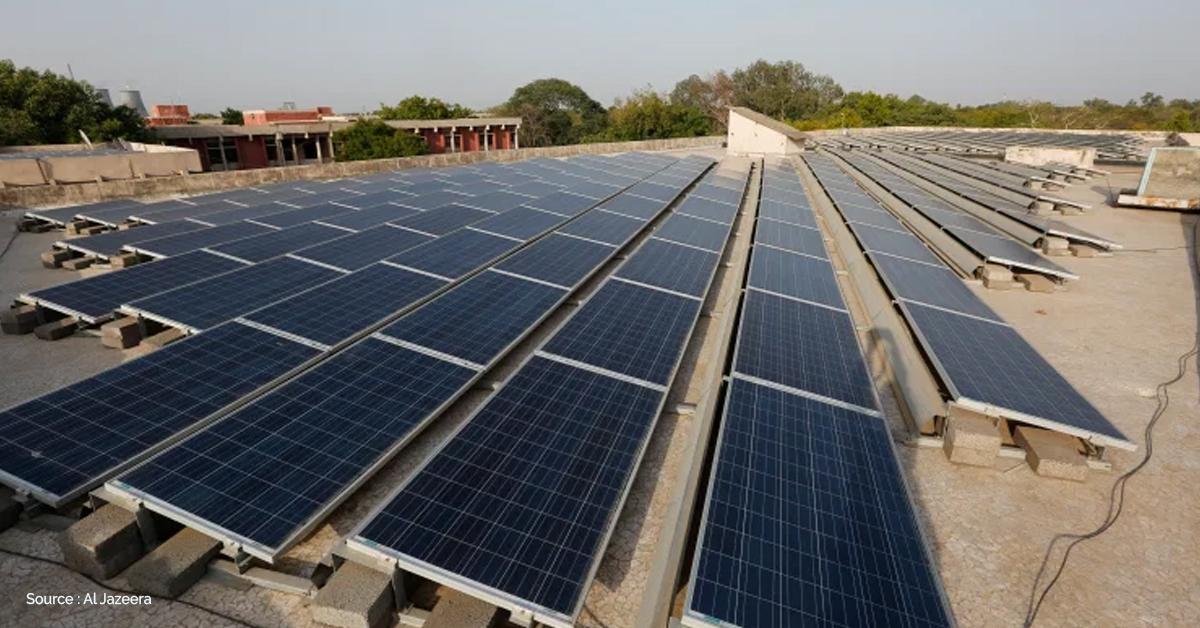
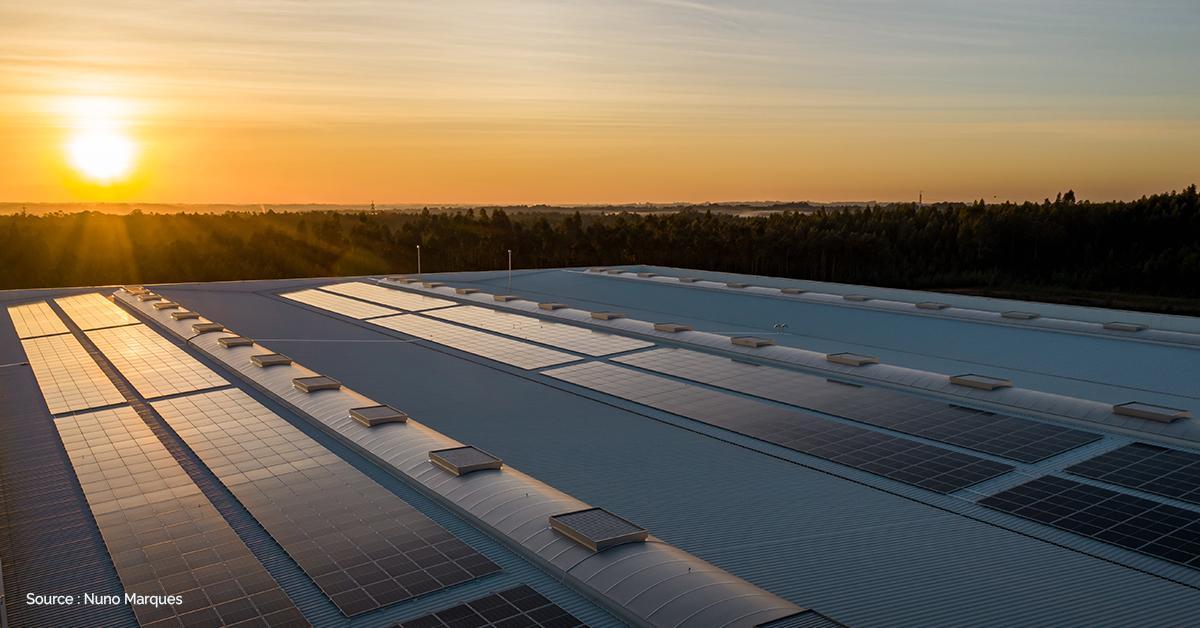
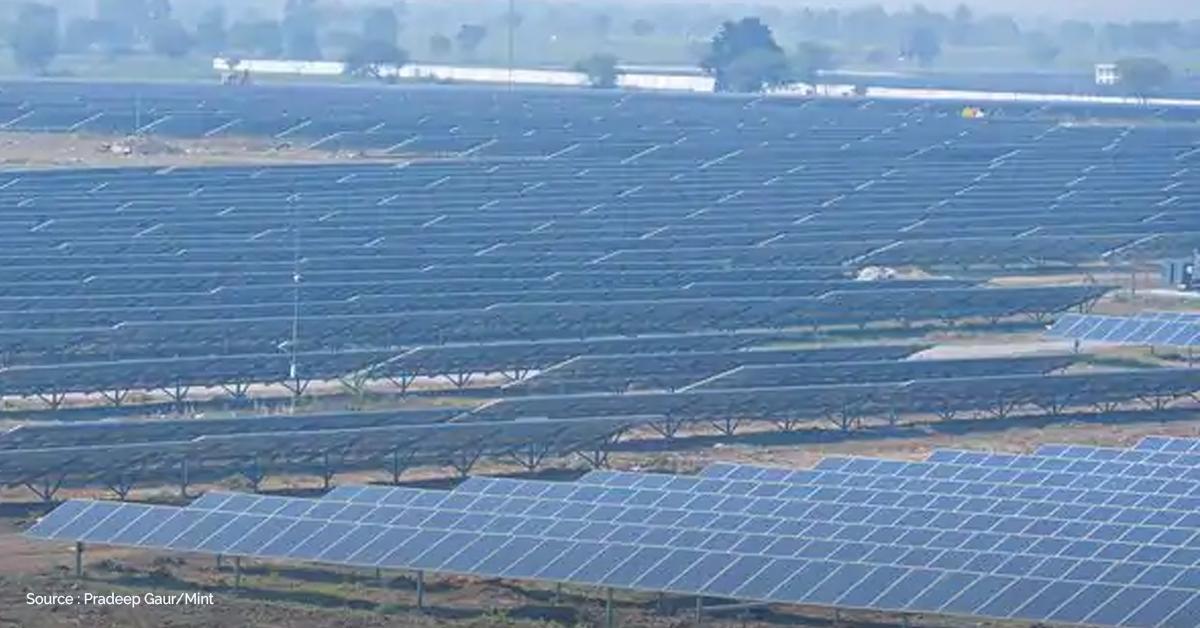
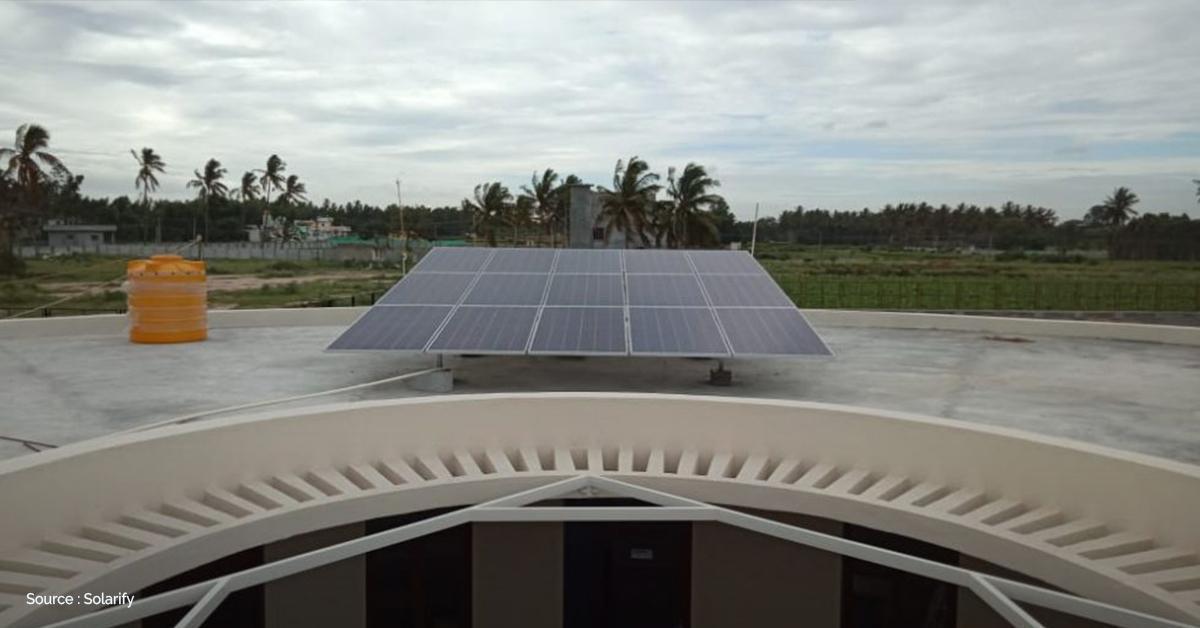
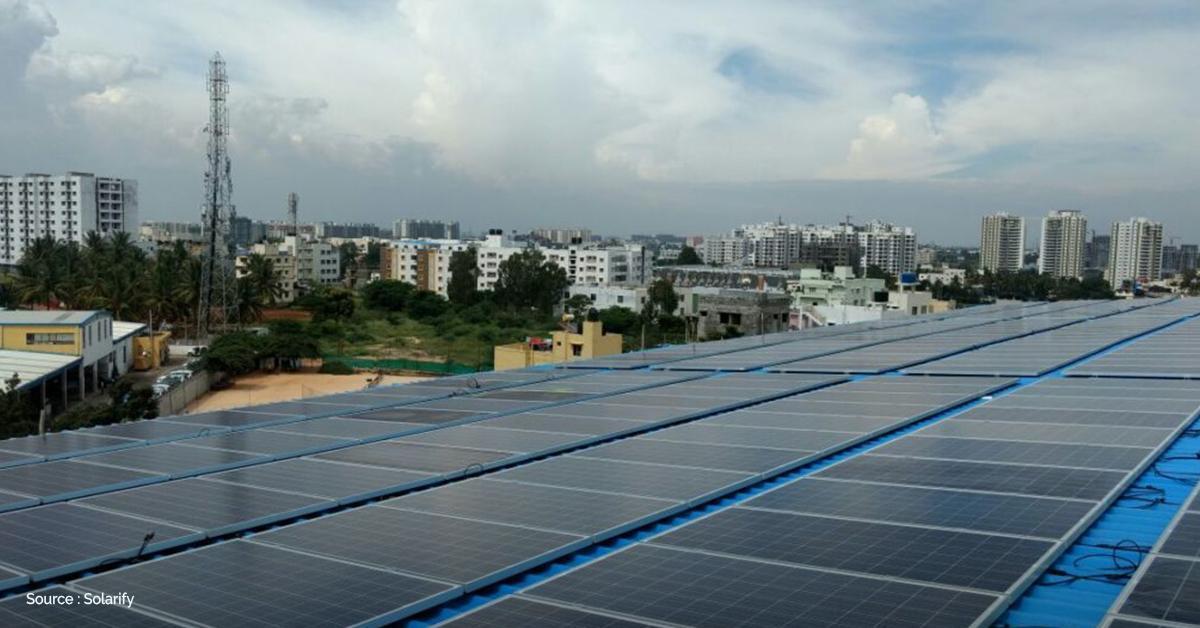
Fossil Fuels like coal and petroleum are finite. Our current ways of over-exploitation of our resources have led to their near depletion. With ever-increasing urbanization and population, our energy needs will grow with time, and fossil fuels will not keep up at a similar pace. The ecological and economical solution to this problem is to invest in Solar Rooftops- the most effective way of collecting solar energy. 

The Government of India is taking proactive steps in utilizing Solar Energy. Some institutions and corporations have contributed to the cause – by installing Solar Rooftop Panels in their premises. These institutions serve as an inspiration for all commercial, business and residential societies to embrace Solar Energy for its ample endowments.

Solar Energy in 2021 – Where Do We Stand?

In order to make use of the available Solar energy, solar power collecting systems like Solar Towers, Solar Panels, Solar Tubes, Solar Rooftops, etc are essential.  Among these, Solar Rooftops have emerged as the most feasible way of collecting solar energy. There was some hesitancy amongst people regarding Solar Rooftop Panels, primarily because of the uncertain logistics and limited awareness. However, in recent months, the demand for solar energy has increased – with large institutions leading the way, followed by SMEs and individual homes. The demand for Solar power is further aided because:

  • Industries are rapidly striving to achieve normalization in their operations and business processing. 
  • Rooftop solar panels promise significant monthly operational cost savings. In the long term, with the rising electricity prices, the savings are expected to be even more significant.
  • A greater emphasis on sustainability and reducing reliance on the grid is being placed in 2021. The government, along with the citizens, are proactively taking steps for the same.

Indian citizens are now becoming more aware of the short-term and long-term benefits of Indians employing Solar Energy.

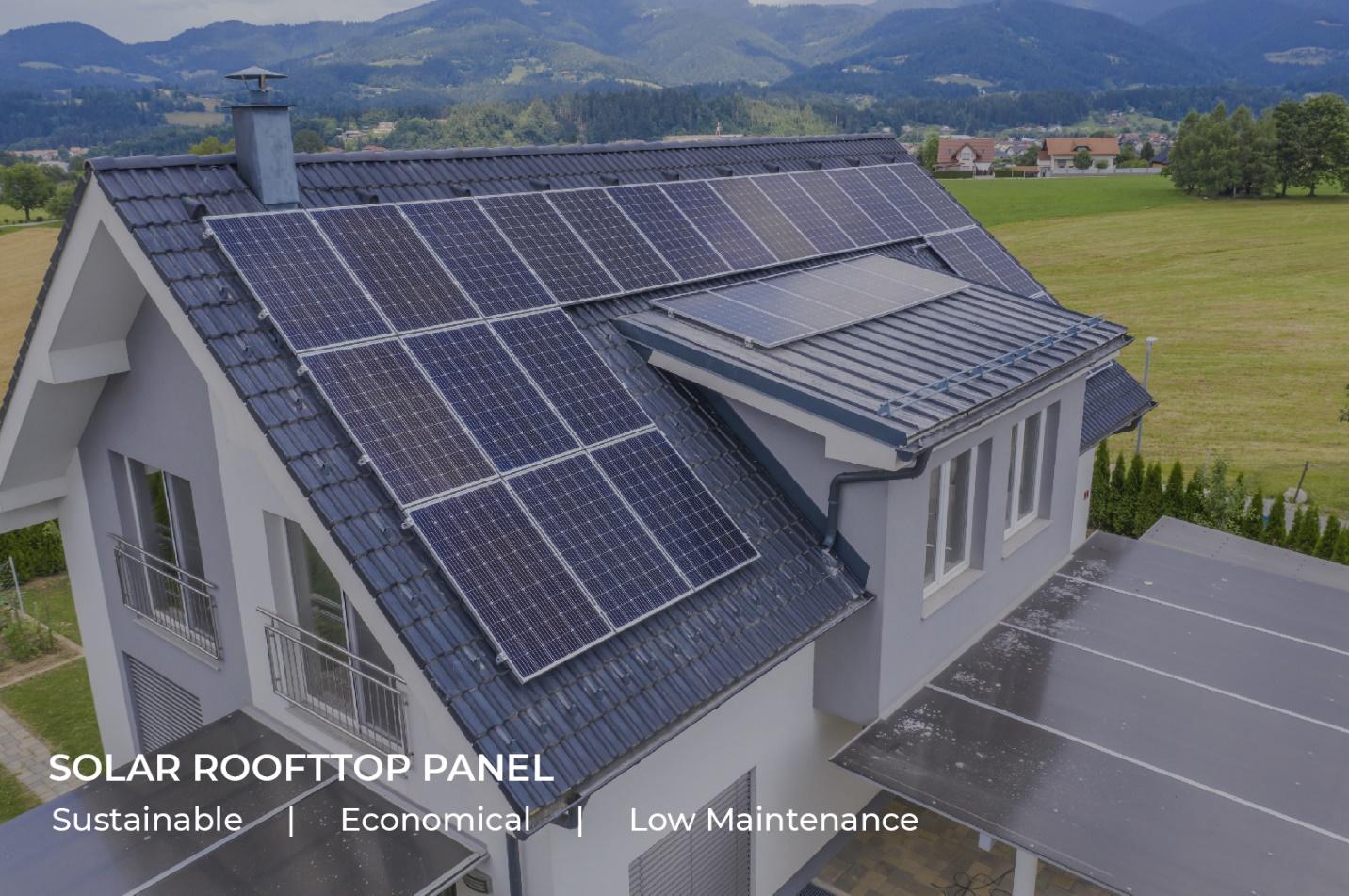
Solar Energy Through Rooftops: Sustainable and Economical

A building with solar panels

Description automatically generated with low confidence

From the moment they are installed, Solar energy provides environmental and financial benefits. It provides numerous short-term benefits – it is boundless, can be stored for future use, reduces the overall carbon footprint, etc. Additionally, it yields even more viable long-term benefits – minimal energy costs, low maintenance, sustainability, amongst many others.

  • The Solar Rooftop System has reduced energy costs compared to other fossil fuels, such as petroleum, diesel etc. 
  • They are easy to maintain.
  • Solar energy has reduced our dependence on oil, gas and electricity. 
  • Since an efficient Solar Rooftop System can power a whole house, surplus energy can be stored for the future. It is, therefore, more durable than any other energy source.
  • These solar solutions are 100% eco-friendly as they do not emit any dangerous chemical by-products. 

10 Indian Change-Makers Who Installed Rooftop Solar Panels in 2021

At the moment, our country is rapidly embracing renewable energy. India is emerging as a global leader in renewable energy production. To advance closer to sustainable development, the Indian government has committed to installing 175 GW of renewable energy capacity by 2022. The target for solar installations is set at 100 GW.

To date, 23 GW of this target has already been met, with another 40 GW in various stages of implementation. India has become the world’s second-largest producer of solar energy. Now, the nation is on its way to meeting the goals set for the year 2022.

The following institutions are contributing to the cause massively by adopting the Solar Rooftop Panel technology and paving the way for others to follow:

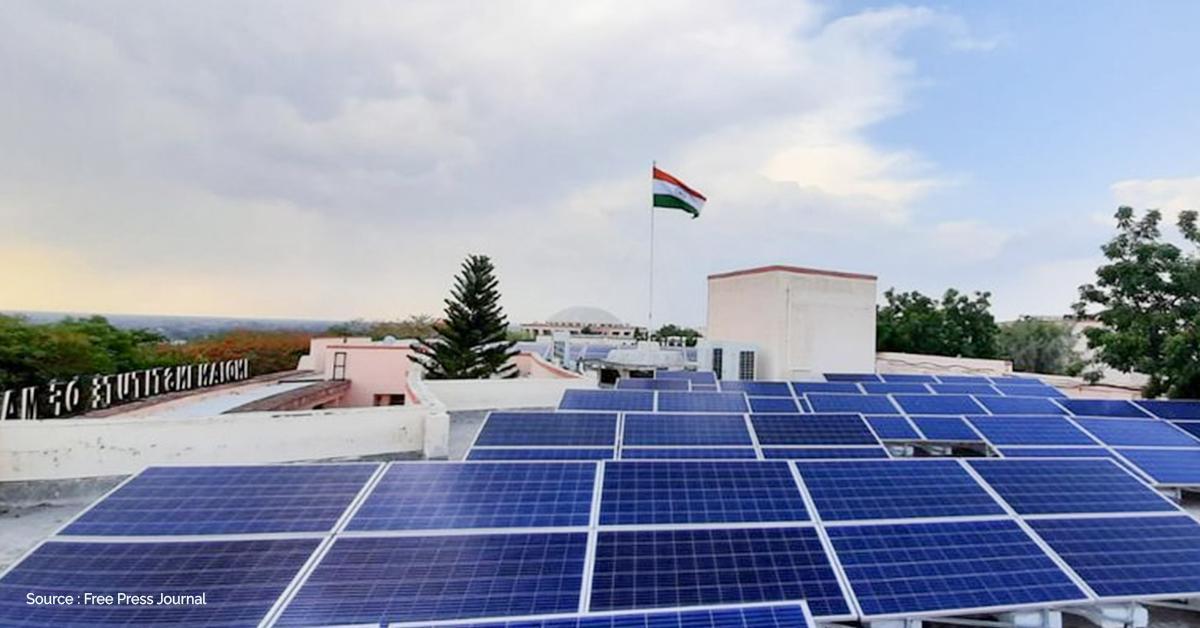
1. The Indian Institute of Management in Indore has installed Solar Panels in 4,600 square meters to generate up to 460 KW of electricity. This solar energy collection method has helped them attain an average energy saving rate of 11.8 percent within six months. The institute head added that IIM Indore would become a net-zero-energy campus within a few years.


2. The Government of Kerala has passed a solar rooftop program to install solar panels on 75,000 residential buildings. With the progress being made on it, the statistics show that by the start of 2022, Kerala will cover up a quarter of its electricity needs with the help of these Solar Rooftop Systems.

3. The UP Government has approved plans to redevelop the city of Ayodhya as a Solar City in 2021. The Government has allocated funds for the installation of Solar Rooftop Panels on government buildings. Additionally, by making amendments to the “2017 Solar Policy”, the UP Government wants to further encourage people to adopt Solar energy, special grants will be given to those who install Solar Panels on their rooftops. These people will also sell the surplus energy generated by their panels to the Uttar Pradesh Power Corporation at the official per-unit fixed rate.

4. The Government in Gujarat has launched a mission to employ the use of Solar PV Rooftop technology. This project is bound to be completed by 2022. The government has decided on a target of 8.024 GW for Gujarat under the National Solar Mission. The rooftop installation of 3.2 GW will be included in this project. 30% of the target has been achieved within 2021’s first quarter.


5. The Government of India has implemented a scheme for setting up Distributed Grid-connected Solar PV rooftop Power Projects in Andaman and Nicobar and Lakshadweep islands. This was launched to make the island carbon-free by reducing the usage of fossil fuels. 

6. The Indian Institute of Science in Malleswaram has installed a 279 KW Solar Panel on three building rooftops to generate energy for the entire institution. They also undertook the project of installing 2200 LED lights to improve energy efficiency in 2020.


7. The Bangalore University of Jnana Bharathi Campus runs entirely on solar power. They faced enormous electricity expenses, so they installed solar rooftop panels to tackle the issue. 

8. The Green School in Bangalore has put up a 5KW Solar Rooftop Panel to meet their energy needs. Since the installation, the school has run on solar power, and electricity has not been used.

9. Samsidh Mount Litera Zee School in Bangalore has set up a Solar Rooftop System of 96 KW, which generates more than 1,15,000 units of electricity per year. Recent reports say that this has reduced more than 7 tons of Carbon Dioxide emission every year.

10. The Delhi Government aims to achieve power independence through solar rooftop panels throughout 2021. They have installed rooftop solar panels in 21 schools so far, with the aim being 500. The Delhi Government further wants to transform Delhi into a Solar-powered city.

Solar Rooftop Panels – Unparalleled Advantages

Individuals and institutions can reap the benefits of Solar Power Systems with proper planning and thorough implementation. These systems are highly adaptable to requirements of   commercial buildings,  residential complexes, educational institutes, etc. 

  1. The panels installed on rooftops are of high quality and their constituent parts are reliable. 
  2. The quality of these panels has made them resilient against bad weather.
  3. The Solar Rooftop System is highly cost-effective. Rooftop solar tariffs are 17% and 27% cheaper than industrial and commercial tariffs, respectively.
  4. They have a very low maintenance cost. If maintained properly and with due care, they have a service life of more than 30 years. 
  5. The major benefit of this system is the reduction of the carbon footprint. Solar power has low pollution risks. They do not emit any hazardous gases while being used.
  6. They are completely eco-friendly.

VNT – Solutions for Efficient Solar Rooftops, one Panel at a Time 

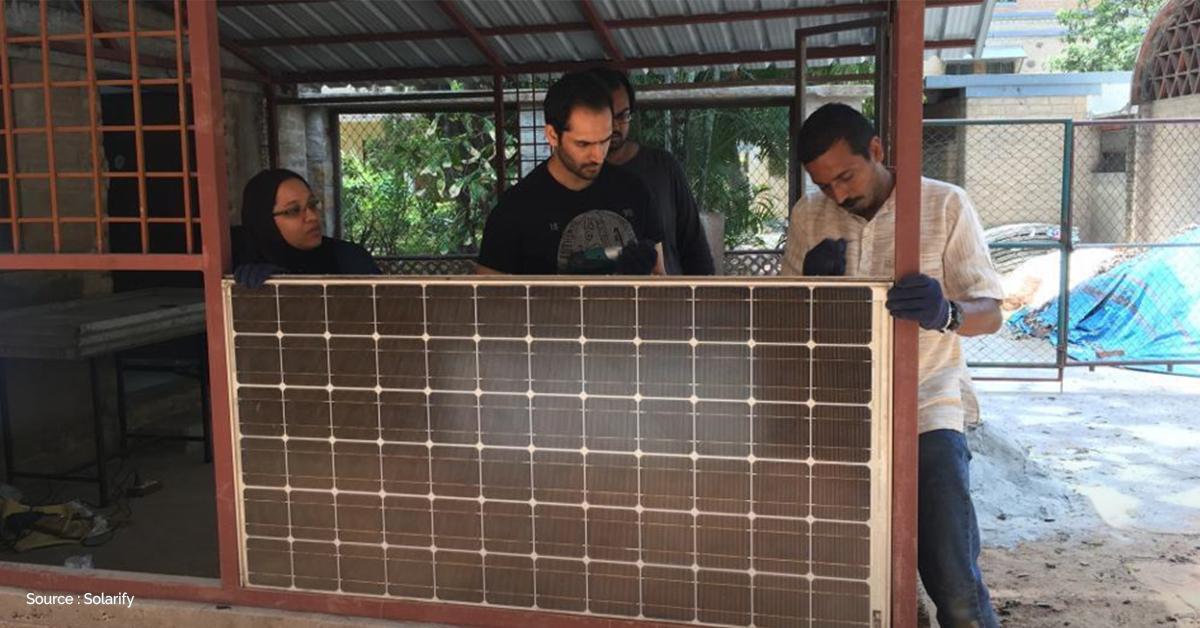
Building on our experience in serving the needs of utility-scale projects, VNT offers second-to-none solutions in the Solar sector. We understand the concerns of durability and efficiency in sustaining strong rooftop systems in commercial and residential buildings. VNT has various Solar solutions ranging from Solar AC Distribution Boxes to LT Metering Panels. One of our most significant achievements includes the “String Combiner Box Manufacturer of the Year-2019” award by Solar-Quarter during the Solar Week-2019. 

The power charges of residential or commercial structures can be reduced substantially by using Solar Panels on the rooftop, hence minimizing the amount of electricity drawn from the power grid. This also implies that the savings will also increase when the cost of grid-supplied power rises in the coming years. VNT can help by providing industry-leading solar solutions.If you would like to see for yourself how VNT India can assist in adopting Solar power in your commercial or residential structures, write to us via email or contact us.

Data is what drives the digital economy. With a transition in business agility from physical to digital, data is the most critical asset of any business organization. With its exceeding significance in India, businesses thus realize how important it is to have well-equipped data centres. Data centres meet the stringent demands of storing large amounts of data in a safe environment. It is critical to investigate options for a modernized data centre with both cloud and physical storage capabilities to maintain a competitive advantage. 

Every business relies on data storage to function; however, it takes a lot of planning and consideration to develop an IT infrastructure-based data centre.  Read on to learn more about how Data centres work in India, why you should invest in one, and how it will change your company’s future.

Decoding the Role of Data centre Security & Management

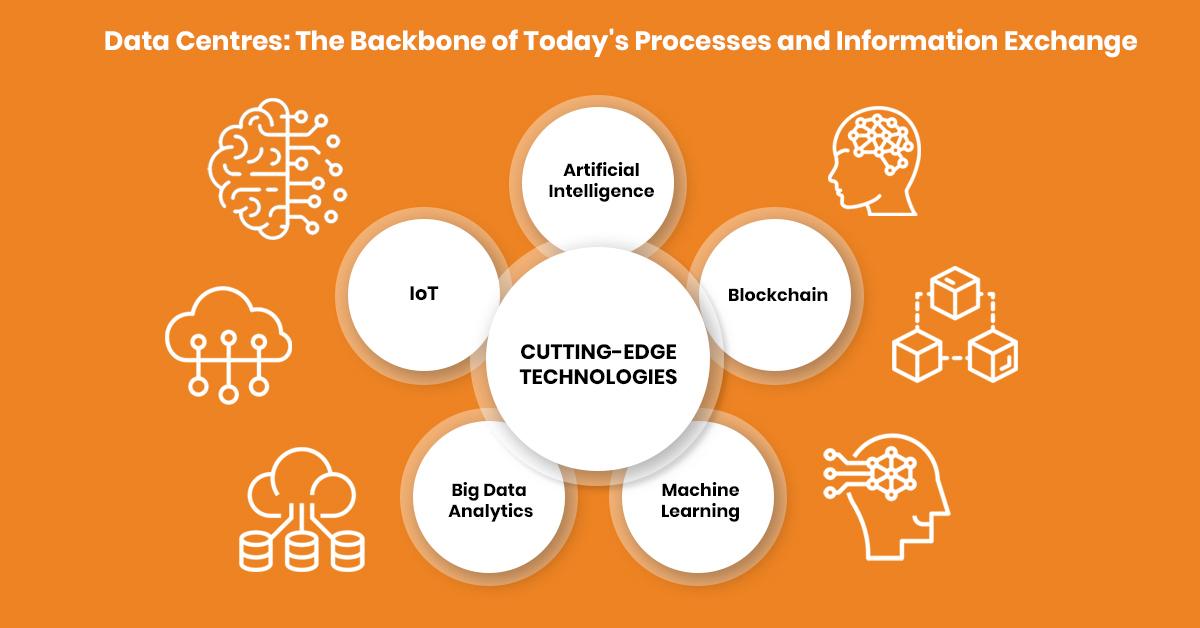
Whether building a small data centre, or a large cloud hosting platform, it is essential to have a coherent management system. Nowadays, companies focus more on ensuring their data’s safety and privacy by investing in cutting-edge technologies. These include- Artificial Intelligence, blockchain, IoT, Machine Learning, and Big Data Analytics. Hence, the utilization of such massive technologies calls for the growing demands of efficient data centre architecture. As the term “big data” comes into play, there is a considerable shift of focus on data security and management. 

With the vast amount of data, the Indian government has spurred the development of data centres to store data locally. Currently, India’s data centre industry and IT capacity utilization are concentrated in four cities: Mumbai, Delhi, Bangalore, and Chennai. According to JLL research 2021, data centre capacity in India is likely to double by 2023. The accelerating growth in data management is of great utility. Moreover, data security enables security from threats, attacks, and unauthorized access to prevent breaches.

From security to scalability, managing data offers plenty of advantages for digital businesses in India. The primary purpose of data centres include:

  1. Data Storage and Backup: Data centres are an integral part of a company’s digital infrastructure, enabling it to store, process, and protect valuable information. Moreover, the equipment sets up an on-site backup server, which in turn recovers the data at the time of uncertainty.
  1. Productivity Applications: E-mail management and networking have become convenient for businesses. Data centres provide a framework for automated emails, file sharing and a heavy volume of e-commerce transactions.
  1. Web Hosting: Data centres influence the functioning of web content offsite, generating backup support and thereby reducing the overall physical footprint. The stored data is accessible to multiple users as per the business requirements. 
  1. Automated Protection: Data centres provide a computerized system for operating and maintaining data across several physical, digital and multi-cloud environments. It has a range of connectivity options, including backup power sources, redundant cooling systems, and controlled access. 
  1. Powering online gaming: The possibilities of technological growth seem endless. Apart from web hosting and video streaming, data centres are utilized for hosting low latency applications such as online gaming.  

As digitization moves forward to encompass all aspects of businesses, India’s need for data centres will grow. Furthermore, with the data consumption rate growing exponentially, our macro interest is in innovative technologies for data centres. However, innovation alone is not sufficient. The efficiency of any data centre depends upon the maintenance during its lifetime as much as on an operational level. 

Data centre Architecture: Critical Components

Data centres have their roots in the computer rooms of the early ages of the computing industry. The large-scale computing systems are used to gather around centralized mainframes in rooms with raised floors to reduce cable congestion and increase cooling capacity. Likewise, India’s data centres are evolving with the growing reliance on digital technology, IoT-connected devices, and cloud adoption.

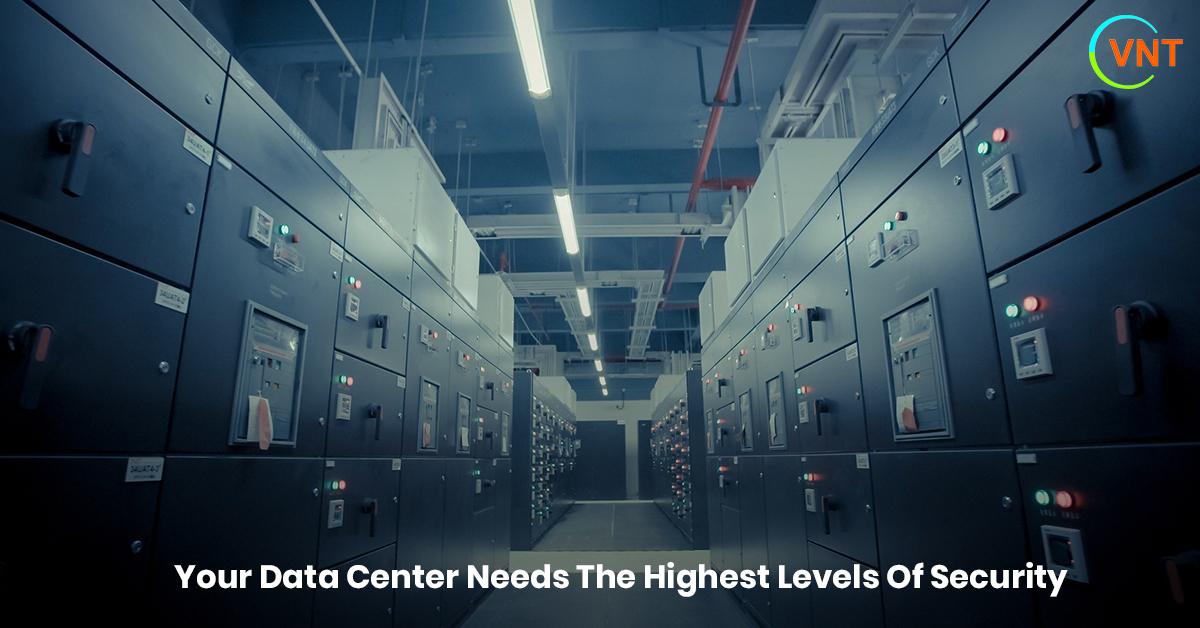
Essentially, a data centre is used to house computer systems and associated components, such as telecommunication, solar and other storage systems. Moreover, it generally includes redundant or backup power supplies, data communications connections, environmental controls (e.g., air conditioning, fire suppression), and various security devices. The crucial components of data centres in India include:

  1. Air-Cooling Equipment: This data centre component protects assets by real-time monitoring of relative humidity and temperature. It takes readings of the environment and air pressure and proper temperature at all times. This, in turn, curbs the hot spots or varying temperatures within the facility.
  1. Server Racks: The physical support in each data centre is provided by an advanced shelf or server racks. It houses the necessary equipment, including servers, routers, switches, telephone equipment, and much more. This ensures data security and enables smooth operations of a business.
  1. Electrical Power Equipment: Business continuity can only be maintained by having a regulated power system. Power surges or interruptions often lead to extensive downtime and real-time business loss. Therefore, data centres must have battery banks and regulated power systems to prevent single points of failure. 
  1. Cable Management Supplies: Cable trays help organize cables and prevent them from obstructing access and viewing the device’s front. Additionally, properly organized wiring can also prevent damage, thereby extending the life of the cable.
  1. Fire Suppression & Security: While heat is a significant concern for the valuable assets of any business organization, suppression systems prevent fire during faults. As a result, valuable assets are protected against fire hazards with proper fire suppression and security equipment.  

Businesses in India must extensively secure data centres against hazards such as extreme temperatures, fire, electrical faults, surges, etc. Given the benefits of these components, it is imperative to keep the system and equipment up-to-date and must be maintained or replaced every 3-5 years. However, some of these components need regular inspections that require daily, weekly, and monthly check-ins.

Delivering Data centre Solutions at VNT

The efficiency of any data centre seeks efficient installation and maintenance after. With VNT at your service, we install and maintain network resources, ensure data centre security, and monitor systems that take care of power and cooling. Similarly, our services comply with organizational standards and certifications for data centre operations. 

Regardless of the data center’s size, our team of professional engineers and technicians work closely with businesses to ensure existing equipment’s safety, availability, and performance. We ensure data management and control over physical access and environmental systems that house critical data systems and hardware. Consequently, we provide compactly designed and automated fire suppression systems and other telecommunication solutions working with specific business requirements. 

Abiding by international standards, our fire safety and power systems act robustly, helping businesses focus on core management activities. At VNT, we are committed to enabling efficient, reliable and high-performance solutions using best practices to maintain the potential of a data centre. Considering the maintenance of the physical infrastructure, we detect and defend any vulnerabilities of your equipment beforehand.

To transform your business digitally by achieving seamless business operations and comprehensive solutions, contact us

With roughly 10,000 annual deaths caused by fire incidents in India in 2020, effective fire detection systems in homes and workplaces are an indispensable need.

One of the most critical factors in determining the extent of the loss incurred following a home or organizational fire is the speed with which a fire is detected and how soon the individuals are alerted. This is also important in determining how easily the fire can be controlled and extinguished.

The first step in putting out a fire is correctly identifying the issue, raising the occupant alarm, and notifying emergency personnel. This is simple to do with the help of Fire Detection and Alarm Systems. A Fire Risk Assessment and local construction restrictions, suggestions, and regulations will decide the type of system used. You will understand the significance of Fire Detection and Alarm Systems as you read this article. You will also discover how it works, the types of fire detectors, and the usage of a fire detection system in everyday life.

Fire Detection System in Simple Words

A fire detection system is engineered to detect fires early and promptly, when occupants may still be safely evacuated. In combination with emergency procedures, a fire detection system can significantly reduce injury and damage in the workplace. More significantly, an autonomous fire detection system has the potential to save lives.

The fire detection and alarm system’s primary function is to locate the source of a fire as quickly as possible and then notify the people in the area to evacuate the building. This is accomplished through the use of electrical sensors. Then it emits an audible early warning signal.

What is a Fire Detector?

A Fire Detector is a part of an automated Fire Detection System that includes at least one sensor that continuously or periodically monitors (at a minimum of one) suitable physical or chemical events associated with fire. It sends at least one matching signal to the equipment to control it. The detector subsequently decides whether to sound the Fire Alarm or activate the automatic Fire Protection System.

The suppression system of the fire detector works by detecting either flame, heat, or smoke. Most sensors can sense all three of these elements. The best detectors are directly wired into the electrical system. There are several styles of detectors in the market.

Types of Fire Detectors

No two fires are the same. There are different kinds of Fire Detectors, and the ability to differentiate among them will help you choose the right one for your premises.

  • Smoke Detector:

A Smoke Detector is a device with a sensor that detects smoke as the major indicator of fire. There are two types of Smoke Detectors: Ionising Smoke Detectors and Visual Smoke Detectors. There are various differences between both the detectors. They are extremely sensitive and provide early warning.

When smoke enters an Ionising Smoke Detector, it disturbs the current flowing through it. The smoke particles become linked to the ions, neutralizing them. The smoke detector detects a dip in current between the chamber’s plates and sounds the horn.

A Photoelectric Smoke Alarm is another name for an Optical Smoke Detector. Its operation is based on the light scattering concept. The alarm includes a pulsed infrared LED that flashes a light beam into the sensor chamber every 10 seconds to detect smoke particles. If a fire breaks out, smoke will enter the optical chamber through the opening vents. Smoke particles scatter infrared light onto the photodiode light receptor as they reach the optical chamber. When the diffused light reaches the photodiode light receptor, a signal is sent to the integrated circuit, triggering the alarm and alerts the residents to the fire.

The smoke detectors can give rise to false alarms if used in a humid, dusty, or smoke-filled atmosphere.

  •  Heat Detector:

Heat detectors detect excessive heat from a fire. They are often less sensitive and offer warning later in the process. The detector is generally triggered by conventional currents of hot air or combustion products or radiation effects. Thermal detectors respond to fires more slowly than other detection systems because this form of activation takes time.

Fixed-temperature heat detectors and rate-of-increase heat detectors are the two most prevalent types of heat detectors. Both rely on the heat produced by the fire to activate the signal device. Fixed-temperature detectors emit a signal when the detecting element reaches a predefined temperature. When the temperature rises over a certain threshold, rate-of-increase detectors provide a signal. The rate of increased detection devices can be programmed to function quickly, effectively over a wide range of ambient temperatures, recycle quickly, and withstand a slight rise in ambient temperatures without raising an alert.

  • Flame Detector:

A flame detector detects the presence of fire or flames. They aid in reducing the hazards associated with fire in hazardous places. There are several types of flame detectors; some will sound an alarm, while others will activate a Fire Suppression System or shut a potentially dangerous fuel line. UV flame detectors, infrared flame detectors, UV/IR detectors, IR/IR detectors, and other types of flame sensors are the most prevalent.

They are intended to distinguish genuine flames from radiation released by sunlight, lightning, hot objects, arc welding, and other non-flame sources. False alarms lower productivity and increase expenditures. Flame detectors are made consisting of an electrical circuit and an electromagnetic radiation receiver. They are activated by electromagnetic radiation from one or more specific wavelengths in the UV or infrared spectrums, depending on their design, and emit an alert.

Need for an Effective Fire Detection and Suppression System in an Organization

Fire Detection and Suppression Systems are incredibly beneficial instruments designed to identify fires as they progress in any company. Early detection is crucial for the safety of first responders and other emergency response professionals combating fires. They also help in significantly reducing any appropriate losses. It is feasible to decrease downtime in business operations. Firefighting activities may begin when the fire is still minor. We can assert that having an effective and reliable Fire Detection and Suppression System around us can safeguard us from ill events.

Choosing a Fire Detection System is determined by the situation in which it will be deployed. A hospital’s or assisted living facility’s fire safety and protection goals will differ from an industrial warehouse. In the former, individuals will be unable to leave healthcare institutions. In contrast, people are capable of self-protection in an industrial warehouse.

Our Role in Fire Safety

VNT India’s Addressable Fire Detection System is well-accepted by its clients in safeguarding their infrastructure.

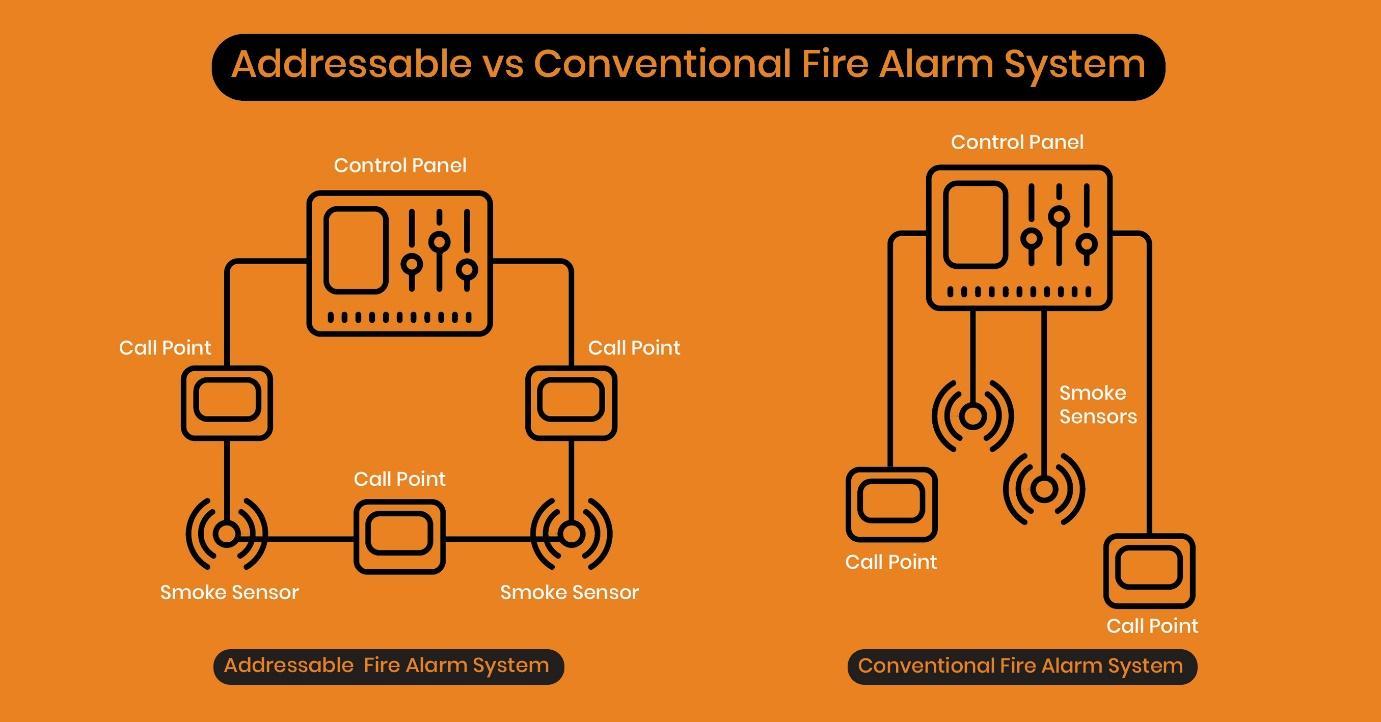
An Addressable Alarm System, unlike a traditional fire alarm device such as a smoke detector, can tell you which device has been activated and its location. As these devices also indicate the appropriate peripheral fire suppression devices installed in the risk zones to use, you can determine the exact location of a fire and assist in extinguishing it as rapidly as possible. Furthermore, an addressable fire alarm system is more effective than traditional fire alarm systems due to its wiring fashion (forming a loop).

VNT India believes that fire safety is an essential component of every facility managed by a large corporation. VNT’s powerful Fire Prevention and Suppression Systems are specifically designed to meet the growing need to protect our assets and human resources in the industry. They promote safety by delivering innovative solutions and unrivalled services in the Fire Safety and Fire Alarm Detection System domain. They abide by all the International Standards for fixed aerosol fire extinguishing systems as per the NFPA 2010 and UL 2775 norms and regulations.

If you would like to see for yourself how VNT India can help you simplify support and put customers first, write to us via email.